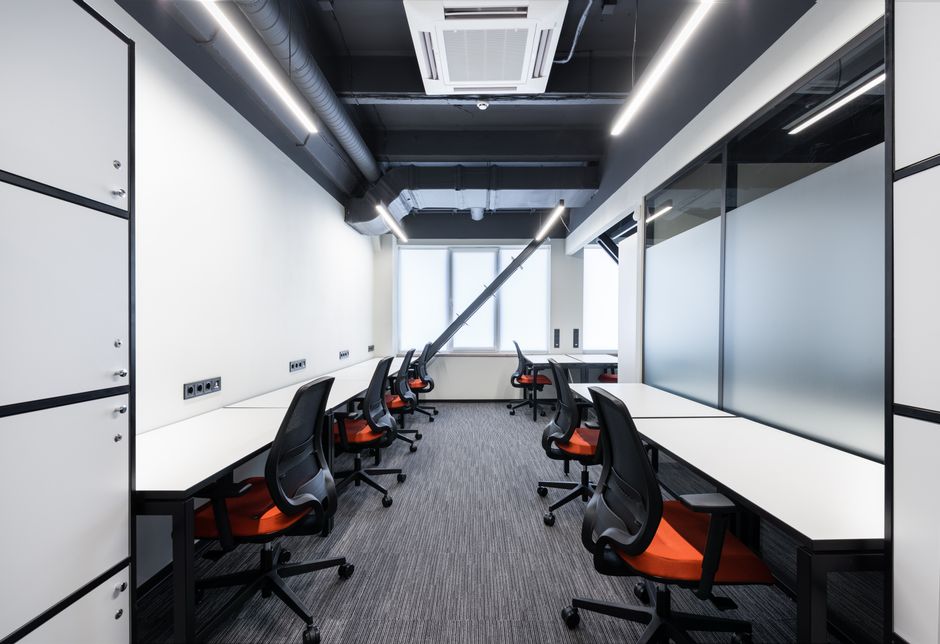
Commercial office cleaning Ilford High Road businesses guide

If you run a business on or near High Road in Ilford, you already know the small things can snowball. A dusty reception, streaky glass, an untidy kitchenette, or tired-looking carpets can quietly chip away at how clients, staff, and visitors feel the moment they walk in. This Commercial office cleaning Ilford High Road businesses guide is here to make the job clearer, less stressful, and a lot more practical. We'll look at what office cleaning really involves, how it tends to work in the real world, what to ask for, what to avoid, and how to choose a cleaning approach that fits your premises rather than forcing your business to fit the service.
To be fair, office cleaning is one of those things people only notice when it goes wrong. But when it's done well, everything feels calmer. The place smells cleaner, the floors look cared for, and even the Monday morning mood is a bit better. Let's get into the details properly.
Why commercial office cleaning on Ilford High Road matters
High Road is busy, visible, and constantly moving. Businesses there often deal with foot traffic, changing weather, delivery dust, street grime, and the kind of day-to-day wear that builds up faster than people expect. If you've got an office, agency, studio, clinic, consultancy, shared workspace, or a mixed-use business space, cleanliness becomes part of your brand whether you plan for it or not.
That matters because an office isn't just where work happens. It's where people form opinions. A spotless meeting room gives one impression; a smeared table and a bin that should have been emptied yesterday give another. In a place with so much passing trade and local competition, those impressions can be the difference between "yes, let's meet here again" and "we should probably look elsewhere".
There's also the practical side. Dirty floors can become a safety issue. Overlooked washrooms become unpleasant very quickly. Shared desks and high-touch areas collect fingerprints, crumbs, and germs all day long. And once a workplace starts feeling run down, staff morale can take a hit too. Nobody loves sitting in a place that looks half-forgotten by the evening. Not exactly inspiring, is it?
Good office cleaning is not just about polish. It supports routine, reduces clutter, and helps a business present itself properly, especially on a road as visible as High Road in Ilford.
If you want to understand the wider approach to business premises care, it can help to browse the broader commercial cleaning service information alongside the more specific office cleaning page.
How commercial office cleaning on Ilford High Road works
Office cleaning usually starts with a walk-through or a basic site assessment. The aim is to identify what the building actually needs, not what a generic checklist says it should need. A small solicitor's office with two rooms will need a very different plan from a busy multi-desk office with a kitchen, client area, and several washrooms.
Most commercial office cleaning schedules include a mix of daily, weekly, and periodic tasks. Daily work often covers bins, desks, reception areas, toilets, sinks, kitchen surfaces, door handles, and vacuuming or mopping. Weekly or fortnightly work might involve deeper attention to skirting boards, glass, chair bases, edges, and less obvious dust traps. Periodic tasks can include carpet care, upholstery refreshes, hard floor maintenance, and window cleaning.
In practice, a cleaner works around your business hours. Some offices prefer early morning visits before the phones start ringing. Others want evening work once staff have gone home. A few need daytime cleaning in stages because the building is always active. There's no single right answer. The clean should fit the workflow, not fight it.
One thing many businesses underestimate is the value of consistency. A good office cleaning arrangement is not just a "big clean" every now and then. It is a steady routine that stops things slipping in the first place. Truth be told, that is usually cheaper in the long run than constantly playing catch-up.
For deeper upkeep, services such as deep cleaning and regular cleaning are often used together so the premises stay presentable between heavier refreshes.
Key benefits and practical advantages
Office cleaning does more than make a place look tidy. It supports the way people use the building every day. The most obvious benefit is appearance, but the less obvious ones often matter just as much.
- Better first impressions: Clients, suppliers, and visitors notice a clean reception, fresh flooring, and organised shared areas immediately.
- More comfortable working conditions: Staff are simply happier in a clean environment. That sounds obvious, but it is true.
- Reduced dust and dirt build-up: Regular cleaning helps stop grime from embedding into surfaces, carpets, and corners.
- Lower risk of unpleasant odours: Kitchenettes, bins, and washrooms stay manageable when cleaned properly and often.
- Longer life for furnishings: Chairs, floors, carpets, and upholstery last better when dirt is removed before it settles in.
- Better hygiene on high-touch points: Handles, switches, rails, and communal surfaces need attention because everybody touches them.
- Less disruption: Scheduled cleaning is easier to live with than emergency cleaning after a mess has piled up.
There is also a subtle business advantage. When a workplace is consistently clean, the team tends to treat it with more respect. People notice the standard around them and usually rise to it, even if only a little. That part is hard to quantify, but most business owners feel it fairly quickly.
For offices with carpeted areas, a combined plan with commercial carpet cleaning can make a big difference, especially where visitors walk through the same routes every day.
Who this is for and when it makes sense
This guide is relevant to a wide mix of businesses along Ilford High Road and the surrounding streets. It is particularly useful if your premises have any of the following:
- a client-facing reception or waiting area
- shared desks or meeting spaces
- a staff kitchen or breakout room
- washrooms used by staff or visitors
- carpeted entrances, corridors, or offices
- hard floors that pick up marks quickly
- glass, internal windows, or partition walls
- regular foot traffic from customers, couriers, or visitors
It also makes sense if you are a landlord managing a small office unit, an office manager juggling multiple responsibilities, or a business owner who simply has too much else to do. Cleaning often gets pushed down the list until someone notices the bin smell, the dusty skirting, or the fingerprints on the meeting room door. Then it becomes urgent, as it tends to do.
You may also need a stronger clean after refurbishment, tenant changeover, or a busy trading period. In those cases, a one-off or reset clean can be the bridge back to normal. Services like one-off cleaning and after builders cleaning can be useful when the space needs a proper fresh start rather than routine upkeep.
And if your office includes shared building access, it is worth considering communal area cleaning too. Hallways and entry points shape the experience just as much as the office itself.
Step-by-step guidance
If you are planning office cleaning for the first time, keep it straightforward. You do not need a complex system. You need a sensible one.
- Walk through the space with a realistic eye. Look at how people actually use the rooms, not how you wish they used them. Where do crumbs collect? Which doors get touched constantly? Which floors show marks fastest?
- Separate daily tasks from periodic tasks. Bins, toilets, kitchen counters, and visible surfaces may need frequent attention. Carpets, blinds, windows, and upholstery often need less frequent but deeper care.
- Identify sensitive areas. IT equipment, filing systems, confidential documents, and specialist surfaces may need special handling. A cleaner can work around these, but only if the layout is clear.
- Choose timings that fit your business. Early mornings, evenings, and split shifts all work in different settings. The wrong timing can cause more stress than the cleaning itself.
- Agree what "clean" means. Be specific. For example: empty bins, wipe desks, sanitise handles, mop kitchenette, polish reception glass, or vacuum meeting rooms.
- Build in occasional deeper care. That is where carpets, floors, and upholstery get the attention needed to stay in decent shape.
- Review after the first few visits. A good routine improves with small adjustments. Maybe the kitchen needs more attention than expected, or the reception area needs a different finish.
If you want a service that keeps the space looking good all week rather than just on cleaning day, ask about a maintenance schedule. Office cleaning works best when it is treated as part of operations, not a side issue.
For businesses that want a simple recurring setup, regular cleaning is often the most practical route. It stops small issues becoming annoying ones. And annoying ones become expensive ones, usually with surprising speed.
Expert tips for better results
After seeing plenty of offices and workspaces, a few things stand out again and again.
Keep surfaces clearer than you think you need to. The more items left on desks and counters, the less effective a clean can be. Even a brilliant cleaner cannot properly wipe around a mountain of mugs, paper, and random cables. It sounds obvious, but it catches people out constantly.
Prioritise high-touch zones. Handles, switches, lifts, shared screens, fridge doors, tap heads, and meeting tables matter. These are the places that need consistency, not occasional attention.
Use the right service for the right material. Hard floors need different care from carpet. Upholstery needs different treatment from glass. Matching the method to the material protects the finish and avoids damage. If your workplace has mixed flooring, look at hard floor cleaning alongside carpet work.
Do not leave carpets until they look dirty. By then, the deeper dirt has usually settled in. A more regular maintenance plan is better for appearance and for the life of the fibres. Same goes for chairs and sofas in waiting areas, where people sit with coffee cups, coats, and damp umbrellas. London weather does its thing.
Make cleaning easy to do well. If cleaners have access to clear instructions, safe storage, and basic supplies, the standard usually improves. Simple? Yes. Effective? Also yes.
And one more thing: if you have a space that gets a lot of public traffic, add windows to the checklist more often than you think. A fresh glass frontage can lift the whole property. The same goes for entrances and reception displays. A bit of shine goes a long way.
For that sort of finishing touch, businesses often pair office cleaning with window cleaning and targeted stain removal where marks start to build on visible surfaces.
Common mistakes to avoid
Office cleaning mistakes are usually not dramatic. They are small, repeated, and a bit dull, which is exactly why they matter.
- Booking cleaning without a clear scope: If nobody defines what needs doing, expectations drift and frustration follows.
- Ignoring the kitchen and washrooms: These areas affect the whole building more than many owners realise.
- Choosing a schedule that looks good on paper but fails in practice: A fortnightly clean may sound fine until traffic levels prove otherwise.
- Forgetting about carpets and upholstery: Visually clean does not always mean genuinely clean.
- Leaving clutter everywhere: Cleaning is slower and less effective when every surface is blocked.
- Assuming one deep clean solves everything: It helps, absolutely. But without a routine, the place slips again.
- Not checking access, alarms, or site rules: A simple log-in problem can turn a smooth service into a nuisance.
One common issue is over-cleaning the wrong things and under-cleaning the important ones. Shiny decorative surfaces can look impressive, sure, but the real work is in the rooms people actually use five times a day. A polished trophy shelf is lovely. The toilet door handle matters more.
Tools, resources and recommendations
You do not need a warehouse full of equipment to keep an office in good shape, but the right tools help a lot. Most good commercial cleaning arrangements rely on sensible basics rather than gimmicks.
Useful items for an office cleaning plan:
- microfibre cloths for dust and fingerprints
- mops suited to the floor type
- vacuum cleaners with appropriate attachments
- safe surface cleaners for desks, kitchens, and washrooms
- bin liners and waste management supplies
- glass cloths for reception and partition panels
- small signage or checklists for access and room restrictions
Useful service combinations:
- carpet cleaning for reception areas and office floors
- upholstery cleaning for waiting rooms and soft seating
- steam carpet cleaning where embedded dirt needs a deeper lift
- office cleaning as the core maintenance service
You may also want to keep a simple in-house checklist for staff. Not because everyone needs to become a cleaner, but because small habits help. Things like clearing mugs, wiping accidental spills quickly, and not leaving food out overnight. Basic stuff, really. Yet it saves trouble.
If sustainability matters to your business, you may also want cleaning methods that use water and chemicals thoughtfully. That is where a provider's approach to waste and product use becomes relevant. A practical starting point is the company's recycling and sustainability information, especially if you are trying to align cleaning with wider environmental goals.
Law, compliance, standards and best practice
For office cleaning in the UK, businesses should think carefully about health, safety, access, insurance, and data security. While the exact obligations vary by site and sector, the general expectation is straightforward: the workplace should be maintained safely and responsibly.
That means cleaners should be able to work without creating avoidable hazards. Wet floors need signs or sensible timing. Cleaning products need to be stored and used properly. Electrical areas need care. Confidential paperwork should not be handled casually. And if cleaners are working before or after hours, access arrangements should be agreed clearly so nobody is fumbling about with alarms at 6:30 a.m. That is not a fun start to anyone's day.
Best practice also means choosing a provider who is transparent about responsibility, complaints handling, payment terms, and safety. If a company publishes its policies clearly, that is usually a positive sign. You can review the provider's health and safety policy, insurance and safety information, payment and security details, and terms and conditions before making a decision.
In a commercial setting, clarity matters. You are not just buying a tidy room; you are buying a predictable process. That includes what is cleaned, when it happens, who has access, and what happens if something goes wrong. If a provider also has a clear complaints procedure, that can be reassuring.
It is also sensible to confirm that the service is suitable for your specific premises and occupancy pattern. Offices with visitors, staff rotation, or mixed-use spaces can need more careful planning than a standard single-room setup.
Options, methods, or comparison table
Different cleaning methods suit different offices. The right choice depends on your space, traffic level, and how often the building is used.
| Option | Best for | Strengths | Things to watch |
|---|---|---|---|
| Routine office cleaning | Daily business premises, client-facing offices, shared workspaces | Reliable, consistent, easy to schedule | Needs a clear scope and regular review |
| Deep cleaning | Resetting a tired office, post-renovation, seasonal refresh | More thorough on detail areas, edges, and buildup | Usually not enough on its own for ongoing upkeep |
| Carpet-focused cleaning | Reception areas, corridors, heavy foot traffic | Improves appearance and helps extend carpet life | Drying time and fibre care need planning |
| Hard floor maintenance | Vinyl, laminate, tile, sealed surfaces | Restores shine and reduces visible grime | Different floors need different products and methods |
| One-off clean | After works, move-in moments, unusual mess | Quick reset when the space has fallen behind | Not a substitute for a proper routine |
The table above is the simple version, but it reflects what happens on the ground. Most businesses need a blend rather than one single method. A tidy office on paper may still need carpet attention in the lobby and a deeper clean in the kitchen. That mix is normal.
Case study or real-world example
Picture a small professional office on or just off Ilford High Road. It has six staff, a compact reception, one meeting room, a kitchenette, and a carpeted entrance that gets hammered by wet shoes on rainy days. Nothing unusual. Just a busy little workplace doing its best.
At first, the team manages with occasional tidying. But over time the reception glass starts showing fingerprints, the kitchen bins smell stale by Friday afternoon, and the entrance carpet looks darker than it should. Clients still come in, of course, but the place no longer feels sharp. Staff begin to stop noticing it, which is usually how these things slide.
A better approach would be a regular office cleaning schedule with a clear routine: daily bins and high-touch surfaces, regular washroom and kitchenette care, weekly carpet vacuuming with focused spot treatment, and a planned deep refresh every so often. Add window cleaning for the frontage, and maybe upholstery care for the waiting chairs. Not a dramatic transformation, just a sensible one.
What changes? The office feels lighter. People stop apologising for the kitchen. Visitors do not hesitate at the door. The team has one less thing to manage. That's the real win, honestly. Not flashy. Just steady and better.
Practical checklist
Use this checklist before you book or review an office cleaning arrangement.
- Have you listed the rooms and surfaces that matter most?
- Do you know which areas need daily, weekly, and occasional attention?
- Have you identified high-touch points and shared spaces?
- Is access arranged clearly for early or late visits?
- Have you agreed what counts as a finished clean?
- Do you know whether carpets, hard floors, or upholstery need separate care?
- Are washrooms and kitchens included properly, not treated as an afterthought?
- Have you checked health, safety, insurance, and payment terms?
- Is there a process for feedback if something needs adjusting?
- Have you planned for seasonal issues like wet weather dirt or heavier footfall?
Expert summary: The best commercial office cleaning on Ilford High Road is the one that fits your building, your opening hours, and your actual traffic levels. Keep it consistent, keep it specific, and do not ignore the small stuff. That is usually where standards are won or lost.
Get a free quote today and see how much you can save.
Conclusion
Commercial office cleaning on Ilford High Road is not just about keeping things neat. It supports your brand, helps protect your working environment, and makes life easier for everyone using the space. The strongest results come from a routine that matches the premises, respects your schedule, and covers the places people actually notice: entrances, desks, kitchens, washrooms, carpets, and glass.
If you treat cleaning as part of the business rather than an afterthought, you usually get better value and fewer surprises. That is the simple truth of it. A workplace does not need to feel perfect; it just needs to feel cared for. And that, more than anything, changes how people experience the space day after day.
When the office feels right, work tends to feel a bit easier too. Small thing? Maybe. But not really.
Frequently Asked Questions
What does commercial office cleaning usually include?
Most office cleaning covers bins, desks, shared surfaces, washrooms, kitchens, vacuuming or mopping, and basic sanitising of high-touch points. Some offices also add carpet, window, and upholstery care depending on the layout.
How often should an office on Ilford High Road be cleaned?
That depends on traffic, staff numbers, and whether the office is client-facing. Busy spaces often need daily attention, while smaller offices may manage with fewer visits plus periodic deep cleaning.
Is regular cleaning better than one-off office cleaning?
For most businesses, yes. Regular cleaning keeps standards steady and prevents build-up. One-off cleaning is useful for resets, but it does not maintain a workplace on its own.
Do carpets need separate cleaning in an office?
Usually they do. Office carpets collect dirt quickly, especially in entrances and corridors. A routine clean helps day to day, but periodic carpet cleaning gives a deeper refresh and protects the fibres.
What should I ask before hiring a cleaning provider?
Ask what is included, how often the visits happen, what products are used, how access is handled, and whether the provider has clear health and safety, insurance, payment, and complaints information.
Can office cleaning be done outside business hours?
Yes, and many businesses prefer that. Early morning or evening cleaning is common because it avoids disruption and allows cleaners to work more efficiently.
How do I know if my office needs a deep clean?
If dust keeps returning quickly, carpets look tired, kitchens feel sticky, or corners and edges are being missed, a deep clean is probably due. It is also useful after works or before an important change in occupancy.
What areas get missed most often?
Skirting boards, chair bases, kitchen handles, under-desk zones, light switches, reception glass, and the edges of floors are often overlooked. They are small details, but they add up fast.
Is office cleaning different from commercial cleaning?
Office cleaning is a type of commercial cleaning, but it focuses specifically on workspaces, desks, meeting rooms, washrooms, kitchens, and client areas. Commercial cleaning can also include a wider range of business premises.
How can I keep the office cleaner between visits?
Simple habits help: clear desks, empty small bins before they overflow, wipe spills quickly, keep communal kitchens tidy, and make sure staff know where things belong. Small habits, big difference.
What if my office also has hard floors or upholstery?
Then it is worth including specialist care for those materials. Hard floors and soft furnishings need different treatment, so a mixed plan is usually the safest and most effective option.
Why is cleaning around High Road businesses especially important?
Because visibility matters. High Road premises face more foot traffic, more outdoor grime, and more first impressions every day. A clean office helps your business look organised, trustworthy, and ready for work.