Communal area Cleaning in Ilford
If you manage, own, or live in a shared property, keeping entrances, stairwells, hallways, and other common spaces clean can make a big difference to how a building feels every day. Our Communal area Cleaning in Ilford service is designed for flats, apartment blocks, HMOs, converted houses, managed estates, offices with shared facilities, and mixed-use buildings that need reliable, regular attention. In a busy place like Ilford, where buildings see a steady flow of residents, visitors, deliveries, and contractors, communal cleaning is not just about appearance. It is about hygiene, presentation, safety, and creating a pleasant environment that people are comfortable using.
Whether the building is close to Ilford town centre, near Gants Hill, Seven Kings, Manor Park, Redbridge, or in surrounding residential streets, shared spaces quickly collect dust, litter, fingerprints, footmarks, and general wear. A professional cleaning routine helps keep those areas under control and reduces the burden on residents, caretakers, and property managers. If you are looking for a local team to maintain the common parts of your building, request a free quote and arrange a cleaning schedule that fits your property.
Good communal cleaning is especially valuable in properties where many people use the same doors, staircases, lifts, and bin areas. The work needs to be consistent, discreet, and carried out with care so that residents feel the benefit without unnecessary disruption. That is why local knowledge matters. An experienced team understands the practical challenges of Ilford properties, from busy parking conditions to narrow stairwells, older conversions, modern apartment blocks, and estates with shared access points.

Professional cleaning for shared residential and commercial spaces
Shared spaces need a different approach from one-off domestic cleaning. They are used more often, by more people, and they usually include a wider mix of surfaces and touchpoints. Our communal cleaning service focuses on the areas that residents and visitors notice first, while also tackling the places that help a building stay hygienic behind the scenes. From front entrances to internal landings, we help keep each common area tidy, fresh, and presentable.
Ilford has a wide range of property types, and each one brings its own cleaning needs. A Victorian conversion may need careful dusting and protection for older finishes, while a new-build block might need regular lift cleaning, glass polishing, and corridor maintenance. Commercial premises with shared access, such as office suites or mixed-use buildings, often require a more structured schedule to keep up with traffic throughout the day. In every case, the aim is the same: consistent, thorough cleaning that protects the appearance and usability of the building.
We work with property managers, landlords, letting agents, residents’ associations, freeholders, and business owners who need dependable support. If you have been trying to manage communal cleaning internally, you may already know how quickly the work becomes difficult to maintain. By arranging a proper service, you can create a more organised routine and ensure the standard stays high week after week.
Why communal area cleaning matters in Ilford
Ilford is an active, densely populated area with a strong mix of housing and commercial activity. Shared buildings in such locations naturally experience more footfall, more dust, more weather-related dirt, and more everyday mess. Foot traffic from the street, prams, shopping bags, bicycles, pets, and deliveries all contribute to wear in entrances and hallways. In buildings with communal bins or shared garden areas, the need for regular upkeep is even greater.
Clean shared areas do more than improve appearance. They help create a better living environment for residents, support a professional impression for visitors, and reduce complaints about neglect or unpleasant odours. A well-maintained block can also be easier to manage over time because dirt and grime are less likely to build up into larger problems. Regular cleaning can help protect flooring, handrails, glass panels, and painted surfaces from unnecessary damage.
For landlords and managing agents, clean communal areas can also support tenant satisfaction and encourage better care of the property as a whole. When a building looks looked after, residents are more likely to treat it with respect. That is one of the biggest practical benefits of a good cleaning schedule: it helps set the standard for the whole site.
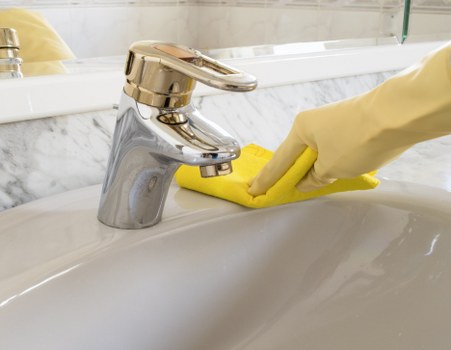
What is included in our communal area cleaning service
Every building is different, so the exact tasks can be tailored to suit the property. A standard communal cleaning visit may include a wide range of routine tasks designed to keep shared spaces clean and orderly. The service is flexible enough for small converted houses as well as larger blocks with multiple floors and external common areas.
Typical tasks may include:
- Sweeping, vacuuming, and mopping communal hallways and corridors
- Cleaning entrance lobbies and internal reception spaces
- Dusting skirting boards, ledges, handrails, and other touchpoints
- Wiping down doors, door frames, and accessible surfaces
- Cleaning lift interiors and buttons where applicable
- Removing cobwebs from corners, ceilings, and stairwell areas
- Polishing glass panels, mirrors, and entrance doors
- Cleaning communal noticeboards and frequently handled fixtures
- Checking and tidying bin areas where part of the agreed scope
- Spot-cleaning marks on walls, switches, and splash-prone surfaces
Some properties also need additional attention in shared kitchens, laundry rooms, cycle storage rooms, or refuse areas. If your building has specific needs, the cleaning plan can be adjusted so the work matches how the space is actually used. The best results come from building a schedule that reflects the day-to-day life of the property rather than using a one-size-fits-all approach.
It is also possible to include seasonal tasks when needed, such as extra entrance cleaning during wet weather or more frequent floor care during periods of heavy footfall. For residents and managers, this means cleaner shared areas without unnecessary services that the building does not need.
Common property types we clean
Ilford has a broad mix of properties, and shared spaces are not limited to one style of building. A local cleaning team needs to be comfortable working in different settings and adapting to access arrangements, building layouts, and resident routines. This is one of the reasons a local service is so useful: it understands the practical realities of the area and the types of buildings commonly found here.
We regularly support:
- Purpose-built apartment blocks
- Converted houses with shared entrances and stairs
- HMOs with communal hallways and facilities
- Managed estates and residential developments
- Mixed-use buildings with ground-floor businesses and upper-floor flats
- Small blocks of flats needing regular upkeep
- Office buildings with shared access, stairwells, and wash areas
Each of these settings has different cleaning priorities. For example, in a block of flats, residents may care most about hallway freshness and entrance presentation, while in an office building the emphasis may be on shared lobbies, lift areas, and regular touchpoint cleaning. Our approach is to match the cleaning programme to the site so the results are practical and visible.
Because communal spaces are used by many people, there is usually no perfect time that suits everyone. A good cleaning schedule balances access, resident convenience, and the need to minimise disruption. Local experience helps make those arrangements work smoothly.

Why choose a local team for communal area cleaning in Ilford
Choosing a local company for communal area cleaning in Ilford has clear benefits. A nearby team can respond more easily, understand local traffic patterns, and plan visits around real-world access conditions. In a busy borough setting, parking and loading can be challenging, especially near busier roads, residential permit areas, or blocks with limited visitor space. Local cleaners who already work in the area are generally better placed to plan around these issues without causing delays.
Local knowledge also matters when it comes to building types. Some Ilford properties have older stairwells and narrow corridors that need careful cleaning methods, while newer developments may have lifts, communal glazing, and polished finishes that require regular, detail-focused care. A local team is more likely to understand what works well in each setting and how to maintain a consistent standard across the different spaces in your building.
There is also a practical advantage for property managers and landlords who need predictable service. When the cleaners are nearby, communication can be quicker and site visits can be easier to arrange. That helps create a smoother service overall, especially if your building needs changes to frequency, additional tasks, or extra attention after refurbishment, bad weather, or high-traffic periods.
Benefits at a glance
- Flexible scheduling to suit residents and site managers
- Better understanding of local access and parking challenges
- More suitable cleaning methods for different property types
- Reliable upkeep for high-traffic communal areas
- Support for residential and commercial buildings
Book your service now if you want a cleaner, more professional shared environment without having to coordinate the work yourself.
How the service works
Working with a professional communal cleaning provider should feel straightforward from the start. The process usually begins with an assessment of the building, the layout of the shared spaces, and the level of cleaning required. This is important because no two properties in Ilford are exactly the same, and the cleaning plan should reflect the needs of the site rather than being forced into a fixed template.
Once the building has been understood, a cleaning schedule can be arranged. This might be daily, several times a week, weekly, or at another agreed frequency depending on footfall and the condition of the shared areas. Some blocks need frequent cleaning because of high occupancy, while smaller buildings may only require periodic maintenance to stay in good shape. The key is consistency.
The cleaning team then carries out the agreed tasks during scheduled visits, helping to keep the site presentable and hygienic. If there are seasonal issues, resident concerns, or specific areas that need extra attention, the plan can usually be adjusted. The aim is to make communal upkeep easy to manage for the people responsible for the building.

Step-by-step approach
A clear process helps keep the service efficient and avoids confusion about what is included. While every contract is tailored, the basic workflow often looks like this:
- Review the property type, shared spaces, and cleaning priorities
- Agree the schedule and the tasks to be carried out
- Confirm access arrangements, parking considerations, and site instructions
- Carry out regular cleaning visits to the agreed standard
- Adjust the plan if the building’s needs change
Some customers prefer a simple ongoing arrangement, while others want a more focused service for specific problem areas such as entrance floors, bin rooms, or stairwells. Whatever the setup, clear expectations make it easier to achieve consistent results. That is particularly helpful in properties with several stakeholders, where residents, landlords, and managing agents may all need the same standard of cleanliness.
Contact us today to discuss a schedule that fits your building and the way it is used.
Preparation checklist for residents, landlords, and managing agents
To help communal cleaning runs smoothly, a little preparation can make a big difference. In many cases the cleaning team can work around everyday life without much disruption, but access and shared responsibility are important. If your building has residents, a caretaker, or a management company involved, it helps to make sure everyone understands the cleaning arrangement and any special access details.
Useful preparation steps include:
- Ensure hallways and entrances are clear of personal items where possible
- Move prams, bikes, and boot trays away from cleaning routes if practical
- Keep bin store access available on scheduled collection or cleaning days
- Share any access codes, key arrangements, or entry instructions in advance
- Let residents know if floors may be wet or areas temporarily restricted during cleaning
- Flag any damaged surfaces, loose fittings, or safety concerns before the visit
- Confirm the main contact person for site-related questions
These small steps help the cleaning work happen efficiently and reduce the risk of missed spots. They also make it easier to keep the building organised, especially in properties where multiple households share the same space. If the site has regular issues such as litter, spillages, or misuse of communal areas, those concerns should be communicated clearly so the cleaning plan can address them.
Good preparation is not about making extra work for residents; it is about helping the service run properly so the whole building benefits.

Pricing factors for communal area cleaning
Customers often want to know what affects the cost of communal area cleaning. While it is not appropriate to list exact prices without assessing the building, several practical factors will influence the quotation. This is normal for shared property services because the work varies widely from one site to another.
Factors that can affect the quote include:
- Size of the communal areas
- Number of floors or stairwells
- Frequency of cleaning required
- Condition of the shared spaces
- Presence of lifts, glazing, or specialist surfaces
- Whether bin rooms or external common areas are included
- Access arrangements and site logistics
- Additional tasks requested by the client
Buildings with higher footfall often need more frequent visits, while smaller properties may only need weekly or fortnightly support. If the area has been neglected for a while, an initial deep clean or reset may be needed before the regular schedule begins. That helps the routine service work more effectively from the outset.
For landlords, managing agents, and residents’ associations, it is often helpful to compare not just cost but also reliability, communication, and flexibility. A cleaning service should be easy to work with and able to keep up with the actual condition of the property. The best value usually comes from consistent maintenance rather than occasional reactive cleaning.
Areas covered around Ilford
We provide communal cleaning across Ilford and the surrounding neighbourhoods, helping shared properties stay tidy in a wide local area. This includes buildings near Ilford town centre as well as properties in nearby residential districts and transport-linked streets. Because the area contains a mixture of older housing stock, newer developments, and busy commercial spaces, it is useful to work with a team that understands the variety of local buildings and their access needs.
Nearby places commonly included in our service area may include:
- Gants Hill
- Seven Kings
- Manor Park
- Redbridge
- Barkingside
- Goodmayes
- Woodford borders and surrounding East London locations where applicable
If your property is just outside the centre of Ilford, it may still be suitable for regular communal cleaning. The best approach is to discuss the building layout, access points, and cleaning needs so the service can be arranged properly. Local coverage is especially helpful for sites that require repeat visits and reliable scheduling.
Whether the building is a compact conversion, a larger block of flats, or a commercial premises with shared circulation areas, a well-planned cleaning routine can make everyday use more comfortable for everyone.
Why regular maintenance is better than waiting for problems
It can be tempting to delay communal cleaning until the building looks noticeably dirty. In practice, this usually means more effort later and a lower standard in the meantime. Regular maintenance prevents buildup, keeps odours under control, and protects surfaces from becoming heavily marked. It also means the building stays ready for residents, visitors, and contractors at all times rather than only after a major clean.
Common issues that regular cleaning helps reduce include:
- Dust accumulation in stairwells and corners
- Fingerprints around entrance doors and lift buttons
- Slippery floors caused by dirt or weather residue
- Unpleasant smells in shared corridors or bin areas
- Spreading grime on walls, skirting, and touchpoints
In properties with a lot of movement, especially around peak commuting hours or busy weekends, these issues appear quickly. A regular cleaning plan keeps them from turning into recurring complaints. It is a simple but effective way to support a better living or working environment.
For residents, landlords, and managers
Different customers have different reasons for wanting communal cleaning. Residents usually want a clean, pleasant place to come home to. Landlords want to protect the appearance of their property and keep things well presented for occupants. Managing agents need dependable services that reduce complaints and help the building run smoothly. Commercial customers may need shared areas maintained to support a professional image and safe access for staff and visitors.
Whatever your role, the benefits are similar: less mess, better presentation, and a more organised property. Request a free quote if you would like a cleaning arrangement designed around your building.
Frequently asked questions
How often should communal areas be cleaned?
The right frequency depends on the size of the building, the number of residents or users, and how quickly dirt builds up. Some properties need multiple weekly visits, while others only require weekly or fortnightly maintenance. A local assessment helps determine the most suitable schedule.
Can you clean both indoor and outdoor shared areas?
Yes, depending on the property and the agreed service scope. Many buildings need indoor hallway and stair cleaning as well as attention to entrances, bin stores, or external communal walkways.
Do you work around residents and businesses?
Yes. Shared spaces are often busiest at certain times of day, so scheduling matters. The service can usually be arranged to reduce disruption and fit around the normal use of the building.
What if the building has narrow stairs or limited access?
That is very common in Ilford, especially in older conversions and smaller blocks. The cleaning approach can be adapted for tight spaces, difficult access, and buildings with limited parking or loading options.
What should I do before the first visit?
Make sure access details are ready, shared spaces are reasonably clear, and any special instructions are passed on. If there are problem areas that need extra focus, mention them in advance so the service can begin with the right priorities.
Book communal area cleaning in Ilford
If your building’s shared areas are looking tired, dusty, or difficult to keep on top of, now is a good time to put a proper plan in place. Professional Communal area Cleaning in Ilford helps keep entrances welcoming, corridors tidy, and stairwells maintained to a consistent standard. It also reduces the pressure on residents and property managers who may otherwise be trying to handle the work informally.
From apartment blocks and HMOs to mixed-use buildings and managed estates, the right cleaning routine can make a noticeable difference every week. A local service understands the area, the property types, and the practical details that matter, including access, parking, and the needs of busy shared spaces. If you want a cleaner, safer, and more presentable building, book your service now or contact us today to request a free quote.
Clean communal areas create a better first impression and a better everyday experience for everyone who uses the building. With a flexible plan and a local team that knows Ilford, keeping shared spaces in good condition becomes much easier to manage.