Common problems with steam cleaning flats in Ilford and fixes
Steam cleaning can do a brilliant job in flats, but it is not always as simple as plugging in a machine and hoping for the best. In Ilford, where many homes have compact rooms, shared hallways, older carpets, and limited drying space, the same job can go sideways for very ordinary reasons. Excess moisture, residue, access problems, stubborn stains, and poor airflow are some of the most common headaches.
This guide breaks down the common problems with steam cleaning flats in Ilford and fixes in plain English. You will learn what tends to go wrong, why it happens in flats specifically, and how to prevent it without making the whole place feel damp for a day. If you are deciding whether to book a professional service or handle parts of the prep yourself, this should help you make a calmer, better choice. Let's face it, no one wants freshly cleaned carpets that still feel soggy at bedtime.
Why Common problems with steam cleaning flats in Ilford and fixes Matters
Steam cleaning sounds straightforward, but flats change the picture. In a house, you often have more room to ventilate, move furniture, and work around wet areas. In a flat, you may have narrow corridors, small bedrooms, boxed-in living spaces, and very little natural drying help. That combination can turn a decent cleaning session into a frustrating one if the setup is not right.
It matters for another reason too: flats tend to be lived in closely and continuously. A carpet that stays damp can make a room feel stale, can encourage that musty odour people hate, and can simply get in the way of daily life. If you are a tenant, landlord, homeowner, or managing agent, the result needs to be clean and dry enough to be practical.
In our experience, the biggest issue is rarely the machine itself. It is usually preparation, technique, or expectations. A lot of problems come from assuming steam cleaning will fix everything in one pass. Sometimes it will. Sometimes it will not. That is the honest version.
For flats that need a broader refresh around the same time, a deeper service such as deep cleaning or a focused carpet cleaning appointment can make more sense than treating the carpet in isolation.
How Common problems with steam cleaning flats in Ilford and fixes Works
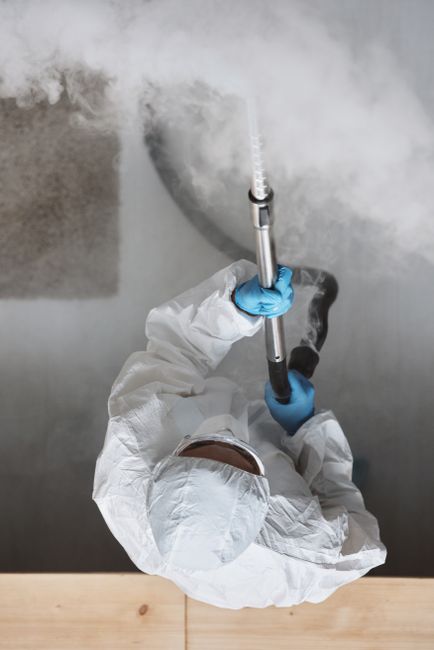
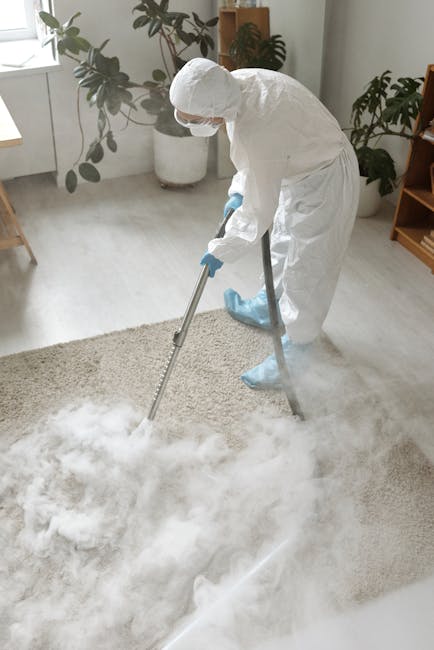
Steam cleaning is really hot water extraction. The machine sprays a cleaning solution and heated water into the carpet fibres, then immediately extracts that liquid along with loosened dirt, body oils, and surface grime. The process is effective because it reaches below the visible top layer, not just the crumbs and loose fluff.
In a flat, though, the method has to work within tighter limits. You might only have one socket in the right place. You might have furniture you cannot move into the hallway. You might have a bathroom fan that does very little. And if the building is older, carpets may already hold years of compacted dirt or previous detergent build-up. That is where the fixes come in.
Here is the basic logic:
- Assess the flooring, fabric type, and access route.
- Vacuum thoroughly before any moisture is introduced.
- Pre-treat stains and traffic lanes.
- Use controlled water and solution application.
- Extract as much moisture as possible.
- Improve drying with airflow and sensible room use.
When this sequence is rushed, the usual problems start showing up. Too much water. Not enough extraction. Streaks. Delayed drying. Reappearing stains. None of it is mysterious, honestly. It is just the wrong balance for the space.
Key Benefits and Practical Advantages
When steam cleaning is handled properly, the payoff is real. Flats can look brighter, feel fresher, and lose that slightly tired look that builds up quickly in everyday London living. The main advantages are practical rather than glamorous, but that is what most people want anyway.
- Better deep-down cleaning: Useful for carpets with foot traffic, pet hair, and everyday dust.
- Less surface residue: Good extraction means fewer sticky traces that attract dirt again.
- Freshness improvement: Particularly helpful after illness, tenants moving out, or long periods without a proper clean.
- Odour reduction: A careful clean can reduce stale smells, especially in small flats where air circulation is limited.
- More hygienic living space: Helpful for homes with children, pets, or allergy concerns.
The key is to match the method to the job. A lightly soiled studio does not need the same approach as a family flat with pets, food spills, and a hallway carpet that has seen better days. If the flooring is delicate or mixed with upholstery, combining services may be more efficient, such as sofa cleaning or upholstery cleaning alongside the carpet work.
Who This Is For and When It Makes Sense
Steam cleaning flats in Ilford makes sense for a few different people, and the triggers are usually easy to recognise.
- Tenants: Especially before moving out, when carpets need to present well and smell fresh.
- Landlords and letting agents: Useful between tenancies or after longer occupancy periods.
- Homeowners: Handy for periodic resets, especially in family flats or pet households.
- Airbnb hosts: Helpful when turnaround is tight and presentation matters. In that case, an airbnb cleaning schedule may include carpet care as part of the routine.
- People with allergies or sensitivity to dust: A good extraction clean can help reduce the stuff sitting in carpet fibres.
It is also worth saying when steam cleaning might not be the best first move. If a carpet is fragile, has severe dye bleed risk, or has not been assessed properly, another method may be safer. That is where a sensible provider will talk you through the options rather than forcing a one-size-fits-all answer. Slightly annoying if you wanted quick certainty, but better than ruining a carpet.
Step-by-Step Guidance
If you want better results, the process matters more than people think. A flat is small enough that every step affects the next one. Here is a practical way to approach it.
1. Check the carpet and the room conditions first
Look at pile type, visible wear, staining, and access. Check whether you can open windows and whether a fan can be safely positioned. In winter, a flat can hold moisture for hours if airflow is poor, so this matters more than people expect.
2. Vacuum properly
Do not rush this bit. Vacuum slowly and in overlapping passes. In small flats, people often clean around the edges and miss the heavy dirt sitting where furniture used to be. That dirt turns to sludge once water is added, which is not ideal. To be fair, the vacuum stage is never the exciting part, but it sets the tone.
3. Pre-treat stains and traffic lanes
Use suitable pre-treatment only where needed. High-traffic areas, food spots, and pet marks need more attention than general surface grime. If the stain is oily, old, or coloured, a professional stain treatment may be more effective than a single hot-water pass. For persistent marks, a dedicated stain removal approach is usually smarter.
4. Use the right water level and temperature
More water does not equal more clean. Too much moisture in a flat can leave carpets feeling heavy and can stretch drying time into the next day. Controlled application is the whole game. The best clean is often the one that uses less water than a nervous beginner would expect.
5. Extract thoroughly
Extraction is the bit that separates a decent clean from a soggy disappointment. Go over the area enough times to lift as much solution back out as possible. If the carpet still feels damp-squishy rather than merely cool, more extraction is needed.
6. Improve drying straight away
Open windows if weather and security allow. Use air movement. Keep people off the carpet where possible. In a compact flat, even moving a drying rack or chair can help create airflow. Sounds simple. It is simple. And yet it is skipped all the time.
7. Inspect once dry
Once the carpet is properly dry, check for remaining stains, wicking, or uneven patches. Some marks only become visible after the carpet settles. If this happens, do not panic. It is often fixable with targeted re-treatment.
Expert Tips for Better Results
The difference between a clean flat and a very clean flat is usually in the detail. A few small habits make a surprisingly big difference.
- Pre-vacuum twice in entrance areas: Hallways and living room routes carry the most grit.
- Test before treating: Especially on older carpet or mixed fibres.
- Work from clean to dirty: Start in the least soiled room and move toward the worst area.
- Lift furniture carefully: Even small items can hide heavy soil underneath.
- Keep ventilation realistic: A partly open window and a fan often do more than blasting heat.
- Watch the stairs and thresholds: If your flat has a small step, it is easy to miss moisture in the edge detail.
One tiny but useful trick: put a dry white tissue on a carpet patch after cleaning and press gently with your hand. If the tissue picks up a lot of moisture after the extraction pass, you probably need more drying time or more recovery passes. Not fancy. Just practical.
If the carpet is near a balcony door, kitchen entrance, or pet route, the dirt pattern usually tells you where to focus. That is especially true in flats where the same two or three paths get walked again and again, day after day.
Common Mistakes to Avoid
Most steam cleaning problems in flats come from a few repeat errors. Avoid these and you will avoid most of the drama.
- Using too much water: This is the classic mistake. It slows drying and can leave fibres over-wet.
- Skipping vacuuming: Loose dirt turns into messy slurry once steam is applied.
- Over-wetting stains: Some marks spread when flooded, especially dye-based spills.
- Not checking fibre type: Different carpets behave differently. Wool, blends, and synthetic fibres do not all respond the same way.
- Trying to clean everything in one go: Heavy soiling sometimes needs two carefully controlled rounds, not one aggressive session.
- Ignoring ventilation: A closed flat can stay damp long enough to smell a bit off by evening.
- Cleaning around the problem: Half-cleaned traffic lanes can look patchy and make the rest of the floor seem worse.
There is also the storage issue. A flat often has nowhere ideal to put wet footwear, folded rugs, or furniture while carpets dry. Plan that before you start. It seems obvious once you say it out loud.
Tools, Resources and Recommendations
You do not need a mountain of equipment, but the right tools matter. A basic home machine may handle a small maintenance clean. For deeper soil, a more capable extraction setup usually performs better.
| Tool or resource | Why it helps | Best use in a flat |
|---|---|---|
| High-suction vacuum | Lifts dry grit before moisture is added | Pre-cleaning, especially in hallways and under furniture |
| Stain pre-treatment | Breaks down targeted marks | Food spots, pet marks, and traffic lanes |
| Air mover or fan | Speeds drying and reduces stale smell | Small rooms with limited airflow |
| White absorbent cloths | Useful for blotting and testing moisture | Spot treatment and post-clean checks |
| Protective pads or foil tabs | Helps furniture legs avoid damp transfer | When items are returned before full drying |
For flats that have more than carpets to deal with, it can make sense to plan the clean as a small package rather than a single task. For example, end-of-tenancy cleans often pair carpet work with end of tenancy cleaning, while a freshly decorated place may need after builders cleaning as well. That sort of joined-up thinking saves a lot of backtracking.
If your flat also has a rug that needs attention, keep it separate from the fixed carpet areas and consider rug cleaning for pieces that can be handled more safely off the floor.
Law, Compliance, Standards and Best Practice
For most residents, steam cleaning is a practical home service rather than a heavily regulated activity. Still, there are sensible standards and expectations worth keeping in mind, especially in flats where neighbours, shared areas, and building rules matter.
Good practice usually includes:
- Careful assessment of surfaces and risks before any water is applied.
- Safe use of electrical equipment in damp environments.
- Clear communication about drying time so the room is not used too soon.
- Respect for building access and shared spaces in managed blocks.
- Transparent service terms around what is and is not included.
If you are booking a company, it is sensible to look at their health and safety policy and insurance and safety information. Not because you expect a problem, but because responsible providers should be able to explain how they protect your home and their staff. That reassurance matters, particularly in tight flats where hoses, cables, and wet floors can become awkward very quickly.
It is also worth checking the small print on access, cancellations, and drying-related expectations. That is where a company's terms and conditions can save misunderstandings later. A bit boring, yes. Also useful.
Options, Methods, or Comparison Table
Not every flat needs the same cleaning method. Sometimes steam cleaning is the best answer. Sometimes a lighter, lower-moisture approach is safer. Sometimes you need both across different rooms.
| Method | Best for | Potential drawback in flats | Typical fix |
|---|---|---|---|
| Hot water extraction | Deep cleaning carpets with general soil | Longer drying time | Use controlled water and stronger airflow |
| Low-moisture cleaning | Maintenance cleans or delicate situations | May not shift heavy grime | Combine with targeted stain treatment |
| Spot cleaning only | Small isolated marks | Can leave the room looking uneven | Blend with a broader refresh |
| Full flat deep clean | Move-outs, post-rentals, and tired carpets | More planning and downtime needed | Schedule around ventilation and access |
For many Ilford flats, the most balanced choice is a targeted steam clean in the rooms that need it most, plus separate handling for upholstery or pet-affected areas. If odour is part of the issue, pet stain odour removal may be more helpful than repeating the same carpet pass.
If the property is a rented home with routine upkeep needs, pairing the job with regular cleaning can stop the carpet from reaching that stubborn stage in the first place.
Case Study or Real-World Example
A typical Ilford flat scenario goes like this: a two-bedroom rental with a narrow hallway, a living room carpet that sees heavy foot traffic, and a bedroom with an old drink spill near the window. The tenant wants the place to smell fresher before handing back the keys. The obvious temptation is to go hard with water and detergent, because the stains look set in.
That is where problems start. The hallway dries slowly because it gets little air. The drink mark reappears after drying because it was pushed deeper rather than lifted. The living room carpet looks cleaner, but the fibres feel a bit flat and damp by evening. Not disastrous, but not ideal either.
The fix is more deliberate. The stain gets pre-treated separately. The hallway gets cleaned with less moisture and more extraction passes. A fan is positioned at an angle to move air along the floor rather than just into the room. Furniture is left off the carpet long enough to prevent imprints. By the next day, the flat smells clean instead of damp, and the carpet is evenly improved rather than patchy.
That sort of result is usually what people want. Not magic. Just competent work done in the right order.
Practical Checklist
Use this before and after steam cleaning your flat. It saves hassle, honestly.
- Vacuum all carpeted areas slowly and thoroughly.
- Move light furniture where safe and practical.
- Test stain treatments on a small hidden area first.
- Open windows or prepare ventilation before cleaning starts.
- Keep pets and children away from wet floors.
- Use only as much moisture as needed.
- Make extra drying plans for hallways and rooms with low airflow.
- Blot, do not rub, any stubborn mark during spot treatment.
- Check carpet texture after drying, not just immediately after cleaning.
- Review service terms if you are booking a professional cleaner.
Expert summary: in flats, the best steam cleaning results come from restraint, not force. Clean the fibres properly, control the moisture, and give the room a decent chance to breathe. That is the whole trick, really.
Conclusion
Steam cleaning flats in Ilford can work exceptionally well, but only when the method fits the space. The most common problems are not strange or rare: too much water, poor drying, uneven results, and stains that need more careful treatment than a single pass can provide. The fixes are mostly about preparation, airflow, and using the right level of cleaning for the carpet in front of you.
If you remember one thing, let it be this: a flat needs controlled cleaning more than aggressive cleaning. Keep the moisture sensible, protect the access routes, and plan drying from the start. That is what keeps the job neat, useful, and genuinely worth doing.
If you are comparing options or want a clearer idea of what suits your property, you may also want to look at the wider service details on pricing and quotes or explore the company's wider approach through about us. A good provider should make the process feel straightforward, not stressful.
Get a free quote today and see how much you can save.
And if the flat feels a little tired right now, that is fine. Most of them do, from time to time. A careful clean can bring the place back to life more than you might expect.
Frequently Asked Questions
Why does steam cleaning take longer to dry in flats?
Flats often have less airflow, fewer open windows, and smaller rooms where moisture lingers. Hallways and bedrooms can be especially slow to dry if ventilation is poor or too much water was used.
What is the most common mistake people make with steam cleaning carpets in Ilford flats?
Using too much water is probably the biggest one. It makes drying slower, can leave the carpet feeling heavy, and may cause stains to return as moisture rises back up through the fibres.
Can steam cleaning remove old stains completely?
Sometimes yes, sometimes not fully. Old stains may have bonded with the fibres or padding underneath. A targeted stain treatment usually gives a better chance than one aggressive clean.
Is steam cleaning safe for all carpet types?
No, not automatically. Some fibres are more sensitive than others, and certain carpets need a lower-moisture or more cautious approach. A proper assessment first is always a good idea.
How can I stop my flat from smelling damp after steam cleaning?
Focus on extraction and airflow. Use fans if possible, open windows when safe, keep the carpet free from foot traffic for a while, and avoid adding more water than necessary in the first place.
Should furniture be moved before steam cleaning a flat?
Yes, at least the lighter items where it is safe to do so. Cleaning under furniture helps prevent patchy results and stops hidden dirt from being left behind. Heavy items can often be worked around carefully.
Do I need professional steam cleaning for a small flat?
Not always, but it often helps if the carpet is heavily soiled, stained, or awkward to dry. Smaller homes can actually be trickier than bigger ones because moisture control matters so much.
What should I do if a stain comes back after drying?
That is usually wicking, where deeper soil rises back to the surface as the carpet dries. A second targeted treatment may be needed, rather than repeating the whole room clean.
Can steam cleaning help with pet smells in flats?
Yes, if the smell is in the carpet or upholstery and not coming from another source. For stronger pet issues, dedicated treatment such as pet stain odour removal is often more effective.
How often should flats in Ilford be steam cleaned?
It depends on foot traffic, pets, and lifestyle. Busy households may need it more often than quieter homes. Regular upkeep with lighter cleaning can stretch the time between deeper cleans.
What should I ask before booking a steam cleaning service?
Ask about drying time, stain treatment, equipment used, insurance, and whether the carpet type has been checked. It also helps to review the provider's complaints procedure and service terms so you know what to expect.
Can steam cleaning be combined with other flat cleaning tasks?
Absolutely. Many people combine carpet care with one off cleaning, domestic cleaning, or other room-specific services if the flat needs a proper reset.