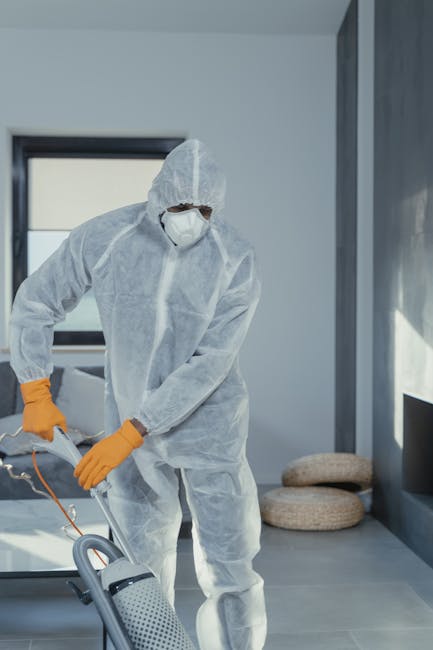
End of tenancy cleaning Ilford IG1 landlord checklist
When a tenancy is ending, the last thing most landlords want is a messy handover, a rushed inspection, or a deposit dispute that drags on for weeks. The right End of tenancy cleaning Ilford IG1 landlord checklist helps you stay organised, judge the property fairly, and spot the jobs that need proper attention before the next tenant moves in. In a busy rental market like Ilford, that matters more than people think. A clean, well-checked property turns a stressful turnover into a straightforward one.
This guide walks you through what to look for, how the process usually works, where landlords often get caught out, and how to approach the clean in a sensible, professional way. No fluff. Just the stuff that saves time, money, and a few headaches.
Why End of tenancy cleaning Ilford IG1 landlord checklist Matters
End of tenancy cleaning is not just about making a place look nice for the next viewing. It is about creating a fair, traceable standard at the end of a lease. A landlord checklist gives you something solid to compare against the inventory, the check-in report, and the tenant's responsibilities. Without it, you are relying on memory. And memory, to be fair, is a bit unreliable when you are looking at ten different rooms after a long day.
In IG1, properties range from compact flats to family homes, and the condition at move-out can vary massively. One tenancy might end with a spotless kitchen and a tired carpet; another might look broadly tidy but have hidden issues like greasy extractor fans, mould around seals, or skirting boards that have not been touched in months. A proper checklist stops those details slipping through.
It also helps you stay calm during the inspection. Instead of reacting to what looks untidy, you can assess each area methodically: floors, walls, appliances, fixtures, windows, and soft furnishings. That makes your decisions more defensible if a tenant queries deductions or asks why a re-clean is needed.
Expert summary: a good landlord checklist does two jobs at once: it protects the property and it protects the landlord-tenant relationship. That balance is the whole point.
If you already use a professional end-of-tenancy service, the checklist still matters. It helps you brief the team properly and check whether deeper work is needed in specific areas such as carpet cleaning, oven cleaning, or window cleaning. A broad "clean the flat" instruction is rarely enough.
How End of tenancy cleaning Ilford IG1 landlord checklist Works
The checklist works best as a sequence, not a scramble. Start with the tenancy paperwork, move through the property room by room, and finish with any specialist tasks or remedial work. That sounds simple, but the order makes a real difference. If you inspect before the tenant has fully vacated, you miss issues. If you clean before photographing the condition, you lose evidence. Easy mistake. Happens all the time.
A sensible process usually looks like this:
- Check the tenancy terms and inventory. Look at what was originally recorded, including furniture, fixtures, and condition notes.
- Inspect the property after the tenant has removed belongings. You need a clear view of every surface.
- Note cleaning issues by category. Separate normal wear from avoidable dirt, damage, and neglect.
- Decide what can be handled in-house and what needs a specialist. For example, light dusting is different from deep grease in a kitchen or stain removal in a lounge.
- Arrange the clean and re-check after completion. Don't skip the final walk-through. That is where the little oversights show up.
In practical terms, the checklist should cover every room and the shared areas too. Hallways, entrances, stair rails, banisters, and communal spaces are easy to overlook, especially in flats. If the building has common parts that fall under your responsibility, a service such as communal area cleaning can be useful when turnover is tight and presentation matters.
It also helps to think in layers: visible cleanliness, hygienic cleanliness, and presentational cleanliness. The first is what tenants notice straight away. The second is what matters for odour, residue, and health. The third is what helps the next viewing go smoothly. You want all three.
Key Benefits and Practical Advantages
A solid landlord checklist is not paperwork for the sake of paperwork. It delivers real, everyday value.
- Fewer disputes: a clear checklist makes it easier to explain what was not cleaned to the expected standard.
- Faster turnaround: you can prioritise the worst areas instead of cleaning randomly.
- Better tenant experience: a clear process feels fairer and more professional.
- Improved property presentation: the next tenant walks into a fresher, more appealing home.
- Reduced rework: when tasks are missed the first time, you lose time and money fixing them later.
- More consistent standards across multiple properties: especially useful if you manage a small portfolio in Ilford or nearby.
There is also a quieter benefit that people often miss: confidence. When you know what has been checked, what has been cleaned, and what still needs attention, the whole process feels less chaotic. You are not second-guessing yourself at the door with the keys in your hand.
For landlords who prefer to use professional support, it can also help to compare a one-off specialist clean with a more general tidy-up. A deep clean is usually more suitable when the property needs full attention before handover. A lighter service may be enough if the tenant has already maintained the place well. If you want a broader whole-property refresh, deep cleaning is often the most useful starting point.
Who This Is For and When It Makes Sense
This checklist is useful for more people than just private landlords, although they are the main audience. It also helps letting agents, portfolio landlords, estate managers, and property owners who prepare homes between occupancies. If you are handling a flat in IG1 between tenants, it makes perfect sense. If you are managing a family house with carpets, upholstered furniture, and a lot of hard-to-reach corners, it makes even more sense.
It is especially relevant when:
- the tenant has given notice and the move-out date is fixed
- you need to decide whether the property is clean enough for re-let photos
- the inventory check shows signs of avoidable dirt or neglect
- there are carpets, curtains, mattresses, or sofas that need specialist attention
- the next tenancy start date is close and there is very little room for delay
Truth be told, if the property has been occupied for a long time, the end-of-tenancy clean often becomes a hybrid job: part restoration, part maintenance, part presentation. That is normal. A landlord checklist keeps the whole thing grounded.
For furnished rentals, the checklist needs to be a bit stricter. Upholstery, mattresses, curtains, and sofa arms collect more than people expect, especially in homes with pets or young children. In those cases, services such as upholstery cleaning, mattress cleaning, and sofa cleaning can make a noticeable difference to both hygiene and appearance.
Step-by-Step Guidance
Here is the part most landlords actually want: what to do, in the right order, without faffing about.
1. Start with the move-out condition
Walk through the property once before you move anything, tidy anything, or make assumptions. Take photos. Lots of them. Not artistic shots, just clear evidence. Check each room with the lights on and, if possible, again in daylight. You will spot marks on walls, dust on shelves, and smudges on switches much more easily.
2. Check the kitchen carefully
The kitchen is usually the hardest-working room and the one most likely to fail a final inspection. Focus on:
- oven, hob, and extractor hood
- cupboard fronts and handles
- sink, taps, and splashback
- fridge and freezer interiors if supplied
- grease build-up around corners and seals
- floor edges, kickboards, and behind appliances
In many cases, the oven is the giveaway. A shiny worktop can hide a neglected grill tray, but not for long. A proper oven cleaning treatment is often the difference between "acceptable" and "ready for the next tenant."
3. Inspect bathrooms for scale, mould, and residue
Bathrooms need more than a quick wipe. Check grout, shower screens, taps, toilet bases, seals, and ventilation points. Limescale builds up quietly. Mould tends to appear in awkward places like silicone edges and around windows. It's never glamorous, but it is very real.
4. Review floors and carpets
Floors carry a lot of the everyday wear, so this is where standards often slip. Hard floors may need mopping, stain removal, and attention around skirting edges. Carpets can hold dust, odour, pet hair, and old spill marks. If the previous tenant had a dog that liked the sofa more than the garden, you may also need pet stain odour removal. That one is not just cosmetic; it can affect viewings as well.
5. Clean windows, frames, and sills
Natural light changes everything. Smudged windows make a room feel dimmer and more tired than it is. Check inside panes, handles, tracks, and sills. If the property is on a busy road or near a main stretch in Ilford, windows may also gather a fine layer of city grime quicker than expected.
6. Deal with soft furnishings and fabrics
If curtains, sofas, or rugs stay with the property, include them in the checklist. These items collect dust and odours over time, and they are often the first thing a new tenant notices subconsciously. That's the funny thing: they may not say "the curtains are dusty," but the room still feels off. Services like curtain cleaning, rug cleaning, and steam carpet cleaning can be useful where fabrics need a proper refresh rather than a surface tidy.
7. Finish with fixtures, fittings, and touch points
Check light switches, sockets, skirting boards, door handles, banisters, shelves, and radiators. These areas are small, but they shape the overall impression. A room can be broadly clean and still feel unfinished if every touch point is dusty or sticky.
8. Do the final walk-through
Stand at the entrance and go room by room one last time. If you can smell lingering damp, bleach, food, or pet odour, pause and investigate. Smell is often the thing that tells the truth before your eyes do. Then compare the results with your original checklist and inventory notes.
Expert Tips for Better Results
Here are the practical tips that make a real difference in the field.
- Use a room-by-room scoring approach. A simple pass, needs attention, or failed standard system keeps decisions consistent.
- Photograph both the problem and the fix. That way you have before-and-after evidence if needed.
- Book specialist work early. Carpet and upholstery jobs can take time to dry, and last-minute arrangements often create pressure nobody needs.
- Don't clean in the wrong order. Dusting after vacuuming, or wiping floors before skirting boards, is one of those little mistakes that makes work seem endless.
- Check high-touch and low-visibility spots. Behind radiators, under beds, top of door frames, extractor fans, and inside drawers are classic oversights.
- Match the clean to the tenancy type. A long-let family home, a short-term Airbnb-style stay, and a student flat all have different wear patterns.
If you are handling the clean yourself, give yourself more time than you think you need. Cleaning always takes longer than the optimistic version in your head. Always. A checklist prevents that optimism from becoming a problem.
For landlords who manage multiple property types, it can also help to think in terms of service categories. A normal monthly tidy is not the same thing as a move-out clean, and a move-out clean is not the same thing as move in cleaning. The standard changes because the purpose changes. Simple, but easy to forget when you are juggling keys, viewings, and tenancy dates.
Common Mistakes to Avoid
Most end-of-tenancy problems come from a small number of repeat mistakes. The good news? They are easy to avoid once you know what to watch for.
- Relying on a visual glance only. A room can look fine from the doorway and still have dirty appliances, stained trims, or missed corners.
- Ignoring the inventory. If it was recorded at check-in, it matters at check-out.
- Cleaning before the tenant has fully moved out. That usually means missed areas and wasted effort.
- Forgetting specialist items. Curtains, mattresses, carpets, and upholstery need separate attention.
- Using the wrong products. Harsh chemicals can damage finishes, especially on delicate surfaces or hard floors.
- Not accounting for drying time. Wet carpets, steamed upholstery, and freshly cleaned floors need space to dry properly.
- Assuming "lived-in" means "acceptable." There is a difference between normal wear and avoidable dirt. The line is not always perfect, but it does exist.
One of the most common slip-ups is leaving floor care until the very end. By then, dust has fallen, residue has shifted, and a room that looked sorted suddenly needs another pass. Slightly annoying, yes. Also avoidable.
Another mistake is not checking whether the outside areas are part of the handover. A small patio, balcony, or entrance area may not seem like a big deal, but they shape the first impression. If these spaces are included, a targeted service such as patio cleaning can be worth it.
Tools, Resources and Recommendations
You do not need a van full of equipment to use this checklist well, but a decent kit helps. The basics are straightforward:
- microfibre cloths
- vacuum cleaner with attachments
- mop and bucket
- non-abrasive cleaning sprays
- glass cleaner
- degreaser for kitchen surfaces
- grout brush or old toothbrush for detail work
- rubber gloves
- sponges and scrub pads
- bin bags and disposable cloths
For landlords who prefer a more hands-off route, a trusted local clean can save time and reduce stress. If you need a broader property refresh, one-off cleaning can be a sensible option for a single turnover, while move out cleaning is often the better fit when the aim is handover readiness rather than ongoing maintenance.
It can also help to keep documents together: tenancy agreement, inventory, dated photographs, and any notes about repairs or extra cleaning. That simple folder, physical or digital, can prevent a lot of back-and-forth later. Not exciting, but very useful.
For landlords who want to keep properties in good shape between tenancies, combining the end-of-lease process with wider maintenance work is smart. If the property has broader wear, domestic cleaning can support regular upkeep, while regular cleaning can help reduce the amount of work needed at the next turnover.
Law, Compliance, Standards, or Best Practice
End-of-tenancy cleaning is not usually about one single law or rule. It is more about fair practice, clear documentation, and the tenancy terms you agreed at the start. In the UK, landlords should be careful not to treat normal wear and tear as a cleaning failure. That is a basic fairness point, but it matters a lot during deposit discussions.
Best practice is to rely on evidence rather than assumption. That means:
- keeping the original inventory and check-in notes
- recording the state of the property at move-out
- separating dirt from damage
- using a consistent checklist for every tenancy
- making any deductions or follow-up actions proportionate and explainable
If the clean includes work at height, electrical fittings, or specialist equipment, it is sensible to use trained professionals and follow safe working methods. This is where wider policies around insurance and safety become relevant. A reputable company should be able to explain how it approaches risk, access, and safe handling of cleaning products. If that matters to you, it is worth reading the business's insurance and safety information and checking its health and safety policy.
There is also a practical compliance angle around data and documentation. If you store tenant photos, notes, or contact details, keep them organised and only for as long as needed. That is just good housekeeping, really.
Options, Methods, or Comparison Table
Landlords usually end up choosing one of three approaches. Each has its place.
| Approach | Best for | Strengths | Limitations |
|---|---|---|---|
| Landlord-led checklist and DIY clean | Small, well-kept properties | Low direct cost, full control, flexible timing | Time-consuming, easy to miss specialist areas |
| Hybrid clean | Standard rentals with a few problem areas | Cost-effective, lets you outsource tough tasks | Needs coordination and clear handover notes |
| Full professional end-of-tenancy clean | Busy turnarounds, furnished homes, deep cleans | More consistent finish, saves landlord time, good for specialist work | Higher upfront cost than DIY |
For many landlords in Ilford, the hybrid option is the sweet spot. You handle the easy bits and call in specialists for the tasks that are slower, tougher, or more technical. That often includes carpets, ovens, upholstery, and window cleaning. A complete one-size-fits-all answer? Not really. The property tells you what it needs.
Case Study or Real-World Example
Here is a realistic example based on a typical IG1 move-out. A two-bedroom flat is vacated on a Friday afternoon. On first inspection, the rooms look tidy enough. No obvious clutter, no major damage. But once the blinds are open and the lights are on, the details start to show: grease around the cooker hood, a ring mark on the living room carpet, dusty window ledges, and light staining on the sofa arms. Nothing dramatic, just enough to drag down the overall impression.
The landlord uses a checklist and splits the work into three parts. First, the kitchen and bathroom are cleaned thoroughly. Second, a specialist helps with carpet cleaning and the sofa. Third, the windows and hard floors are finished last, so the property presents well for new photos. The result is simple: the place feels fresh, the inspection is easier, and the next tenancy can start without a long delay.
What made the difference? Not fancy equipment. Not luck. Just order, a proper checklist, and the willingness to deal with the awkward areas instead of pretending they were fine. Honestly, that is most of the job.
Practical Checklist
Use this as a landlord's end-of-tenancy cleaning checklist for Ilford IG1. It is intentionally practical and easy to work through.
- Entrance and hallway: dust ledges, wipe door handles, clean skirting boards, vacuum or mop floors.
- Living room: check carpets or floors, remove dust from shelves and sockets, clean windows, wipe switches, inspect upholstery and rugs.
- Bedrooms: vacuum under beds, wipe wardrobes and drawers, check mattress condition if included, clean mirrors and windows.
- Kitchen: clean oven, hob, extractor, cupboards, sink, splashback, fridge/freezer, worktops, and floor edges.
- Bathroom: descale taps and shower heads, clean toilet areas, remove mould where possible, polish mirrors, wash tiles, clean extractor fan covers.
- Floors: vacuum carpets, mop hard floors, spot-treat stains, check corners and thresholds.
- Soft furnishings: clean curtains, sofas, cushions, and rugs where required.
- Windows and glass: clean panes, tracks, sills, and frames.
- Odours: identify lingering cooking, damp, pet, or smoke smells and treat them properly.
- Final admin: photograph the property, compare to inventory, and record any follow-up actions.
If you want the clean to be less of a scramble and more of a straightforward handover, it helps to plan early and use the right support for each area. When the property needs a proper all-round refresh, services such as end of tenancy cleaning and move out cleaning can take a lot of pressure off the final week.
Conclusion
A strong landlord checklist turns end-of-tenancy cleaning from a guesswork exercise into a clear, manageable process. That is the real value here. You get better evidence, better control, and a much better chance of handing over the property in a condition you can stand behind. In a place like Ilford IG1, where turnover can be quick and expectations are high, that kind of structure is worth its weight in gold. Or at least in saved time, which is almost the same thing.
The key is to look at the property as a whole: not just what you can see from the centre of the room, but the corners, edges, fabrics, fixtures, and the little signs that tell the real story. Do that well, and the rest tends to fall into place. Not perfectly every time, because life does not work like that, but well enough to make the process calm, fair, and professional.
Get a free quote today and see how much you can save.
Frequently Asked Questions
What should be on a landlord end-of-tenancy cleaning checklist?
Your checklist should cover every room, plus shared areas if they are part of the property. Include kitchens, bathrooms, floors, windows, skirting boards, fixtures, soft furnishings, and any specialist items like ovens, carpets, or mattresses.
Do landlords have to clean between tenants in Ilford IG1?
There is no one-size-fits-all answer, but landlords are generally expected to return the property in a clean and reasonable condition based on the tenancy terms and the original inventory. A good checklist helps you judge that fairly.
How detailed does an end-of-tenancy clean need to be?
It should be detailed enough to remove visible dirt, residue, and odours, and to restore the property to the standard expected at the start of the tenancy. In practice, that means more than a quick tidy-up.
Should carpets be cleaned as part of the landlord checklist?
Yes, if the carpets are part of the tenancy and show marks, odours, or general wear from occupation. Many landlords also include carpet cleaning as a standard part of their turnover routine because it improves presentation quickly.
What if the tenant has left the property tidy but not properly cleaned?
That happens a lot. "Tidy" and "clean to handover standard" are not the same thing. Check high-risk areas like the oven, bathroom seals, windows, and floors before deciding the property is ready.
How can I tell the difference between wear and tear and poor cleaning?
Wear and tear is the normal ageing of the property. Poor cleaning usually leaves residue, stains, grime, odour, or clearly missed areas. Inventory photos and check-in notes are the best comparison tools.
Is professional end-of-tenancy cleaning worth it for landlords?
Often, yes. It can save time, reduce rework, and give a more consistent result, especially in furnished properties or when specialist tasks are needed. For smaller, well-kept homes, a hybrid approach may be enough.
How far in advance should I arrange cleaning before a new tenant moves in?
As early as you can, ideally once the move-out date is fixed. Some tasks, such as steam carpet cleaning or upholstery work, may need drying time before the next tenant can move in comfortably.
What are the most commonly missed areas in a move-out clean?
Behind appliances, inside cupboards, extractor fans, skirting boards, door handles, light switches, window tracks, and the tops of frames are frequent misses. They are easy to overlook, which is exactly why they belong on the checklist.
Can I use the same cleaning checklist for every property?
You can use a core template, but it should be adjusted for each property. Furnished homes, flats with communal areas, and homes with pets or outdoor space usually need extra items added.
What should I do if the property still smells after cleaning?
Track the source first. Odours can come from carpets, upholstery, bins, drains, damp, or pet areas. Surface cleaning alone may not fix it, so specialist treatment is sometimes needed.
Should I inspect the property before or after the clean?
Ideally both. Inspect after the tenant moves out so you can document the condition, then inspect again after the clean to confirm that everything has been completed properly.
Where can I find a broader cleaning service if the property needs more than a basic handover clean?
If the property needs a deeper refresh, it can help to look at deep cleaning alongside specialist services for carpets, windows, and upholstery. That approach is often the simplest way to get a property ready without rushing the final stage.
And honestly, that last walk-through? It always catches something small. Better to catch it yourself than hear about it later. A steady checklist saves the day more often than people realise, and that is a pretty good feeling when the keys are finally handed over.